Combination Technologies Inc. · Vancouver, BC

We build the
first one.

Instruments, devices, boards and machines, with the firmware and software inside. One senior team in Vancouver, BC, from a sketch or a lab result to the first working units.

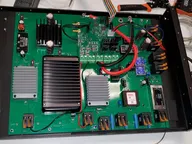
High-voltage power board mounted in an open black chassis on the bench, with heat sinks and wiring.
FIG. 1 · Photo Precision high-voltage and mixed-signal board in its enclosure, on the bench. Up to a few kilovolts with 0.1 V control accuracy. Open the project →

The build, start to finish · 10 steps

Skip the story →

From a sketch to the first units, in ten steps

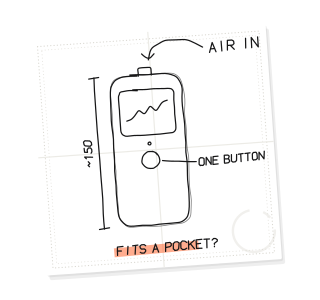
  1. Napkin sketch of a handheld instrument with a screen, one button and an air inlet.
    Fig. S1 · Illustration · Not a client product

    01 / Sketch

    It starts with a sketch.

    Or with a paper, or a result that works on the bench. First we agree what it has to do, and what must be proven.

    Seen in · real project

    Automated bike lock station

    “Client had a lot of ideas and we helped refine concepts through customer discovery.”

    Open the project →
    Only an idea or a paper? Start here →

    Seen in: Automated bike lock station →

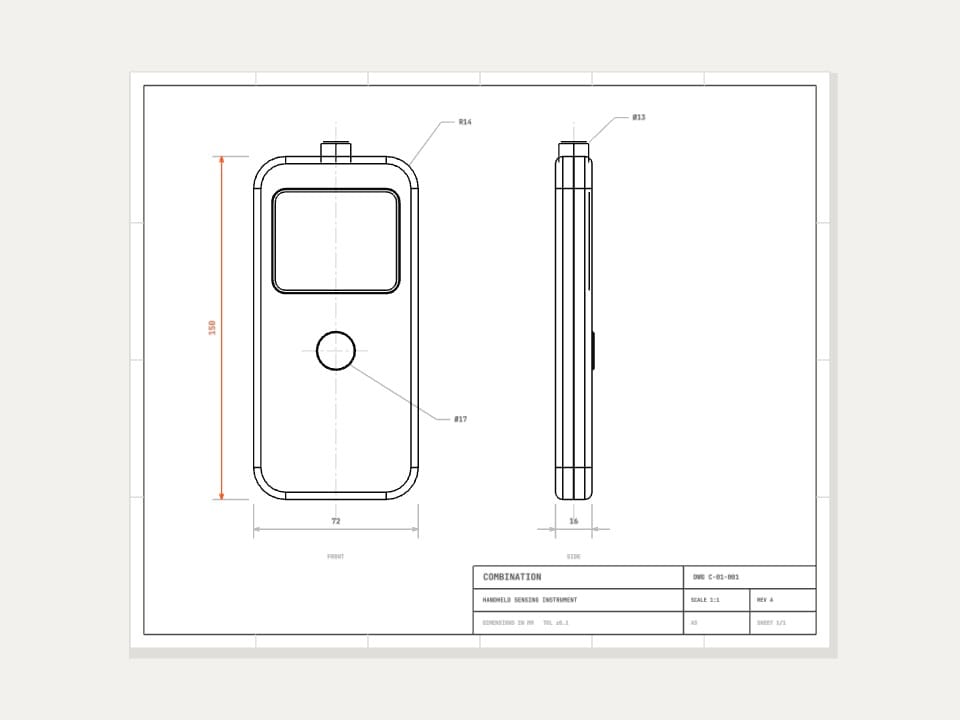
  2. Dimensioned drawing of the instrument: front and side views with a title block.
    Fig. S2 · Illustration · Not a client product

    02 / Drawings

    Then we draw it properly.

    The idea gets dimensions, tolerances and a 3D model, so the hard parts show up while they're still cheap to change.

    Seen in · real project

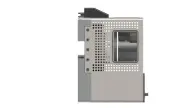
    Novel laboratory instrument for breath analysis

    Precision mechanics, geometry optimization, integration with a mass spectrometer.

    Open the project →
    Need one part or mechanism designed? Start here →
    Seen in: Laboratory instrument for breath analysis →

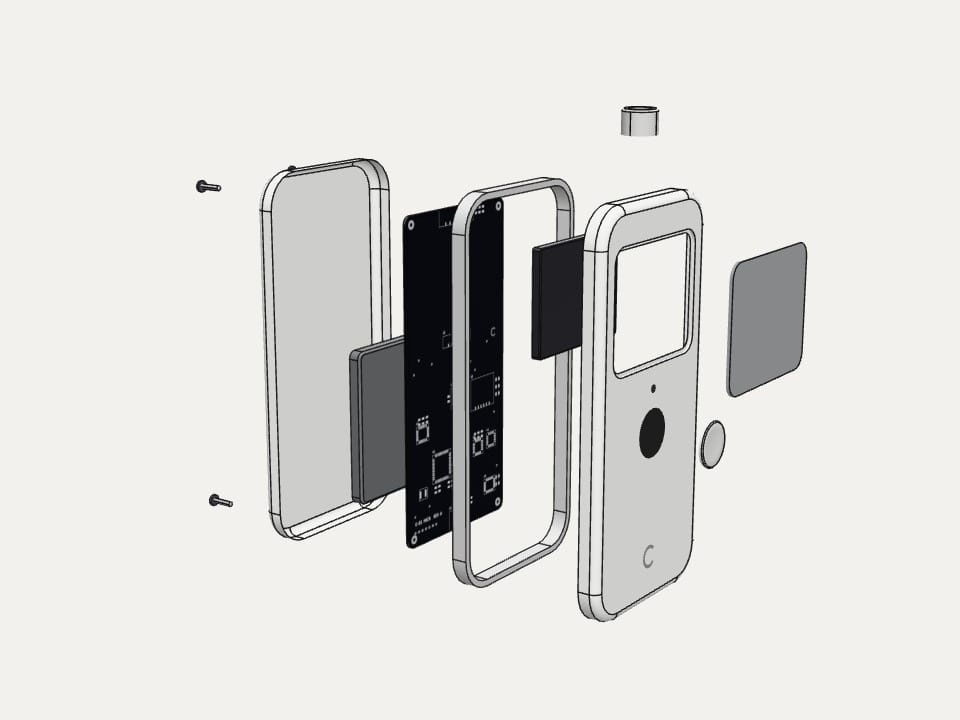
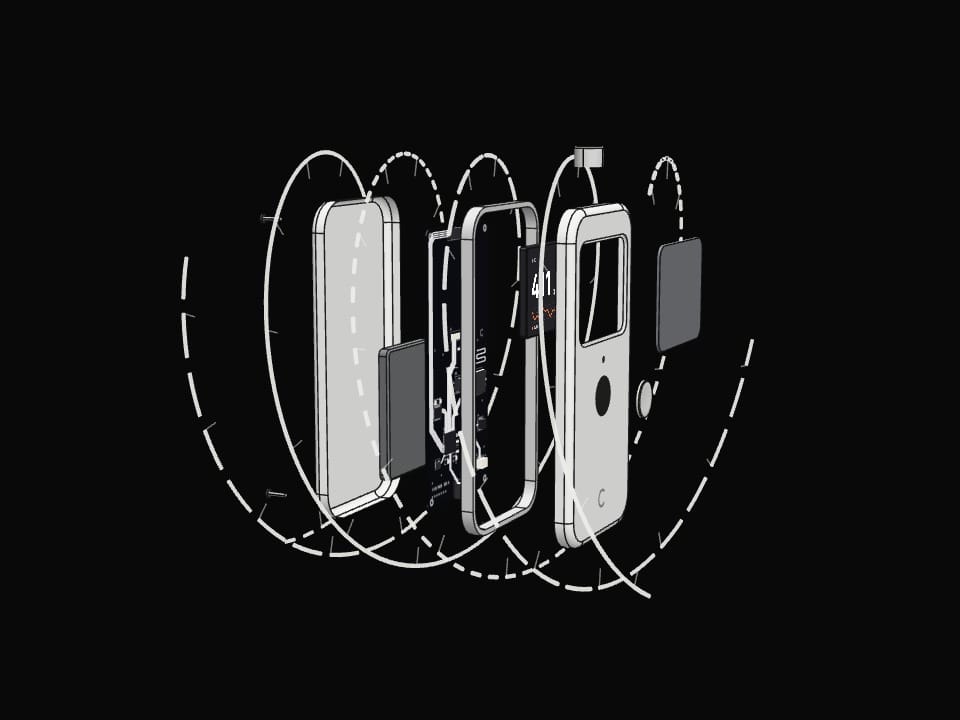
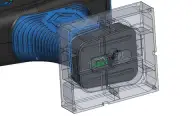
  3. Exploded view of the instrument: back, board, frame, front, window, button and screws.
    Fig. S3 · Illustration · Not a client product

    03 / Mechanical

    Every part has a job.

    Enclosure, frame, window, button and fasteners are shaped to fit together, to assemble and to be made.

    Seen in · real project

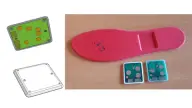
    Smart insoles

    Design of the insole and pod; early production of mechanical parts (50 units).

    Open the project →
    Need one mechanism or enclosure? Start here →
    Seen in: Smart insoles →

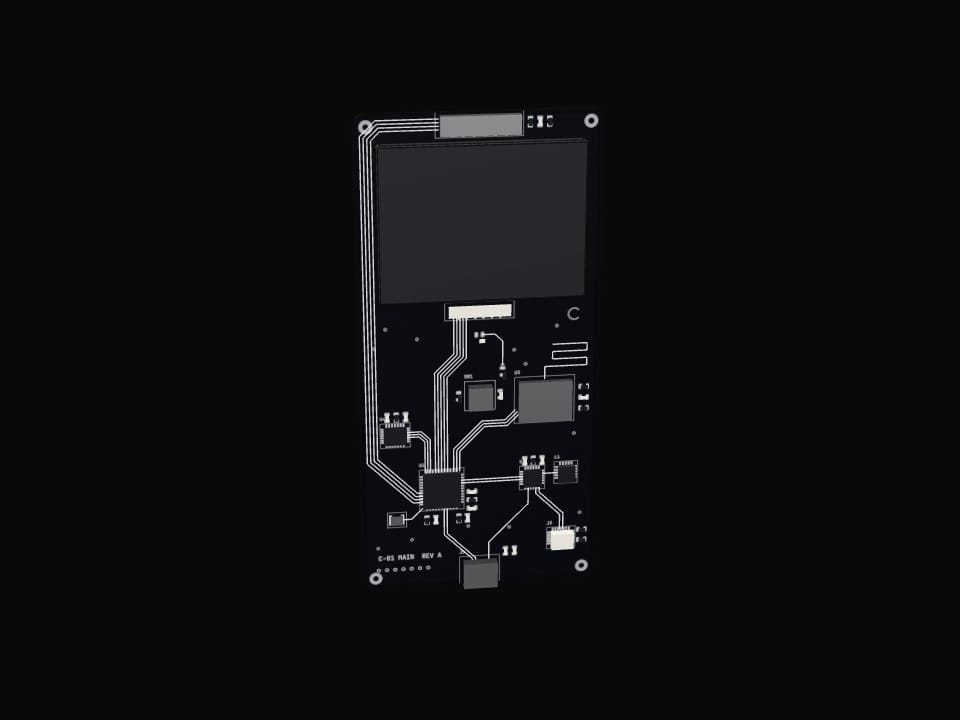
  4. The instrument's circuit board, with parts placed and traces routed, on a dark background.
    Fig. S4 · Illustration · Not a client product

    04 / Electronics

    The board fits the box.

    Schematic and layout are designed around the mechanics, whether it's a femtoamp front end or a kilovolt supply.

    Seen in · real project

    Precision high-voltage and mixed-signal electronics

    Up to a few kilovolts with 0.1 V control accuracy. Optically isolated.

    Open the project →
    Need one board? Start here →

    Seen in: High-voltage electronics →

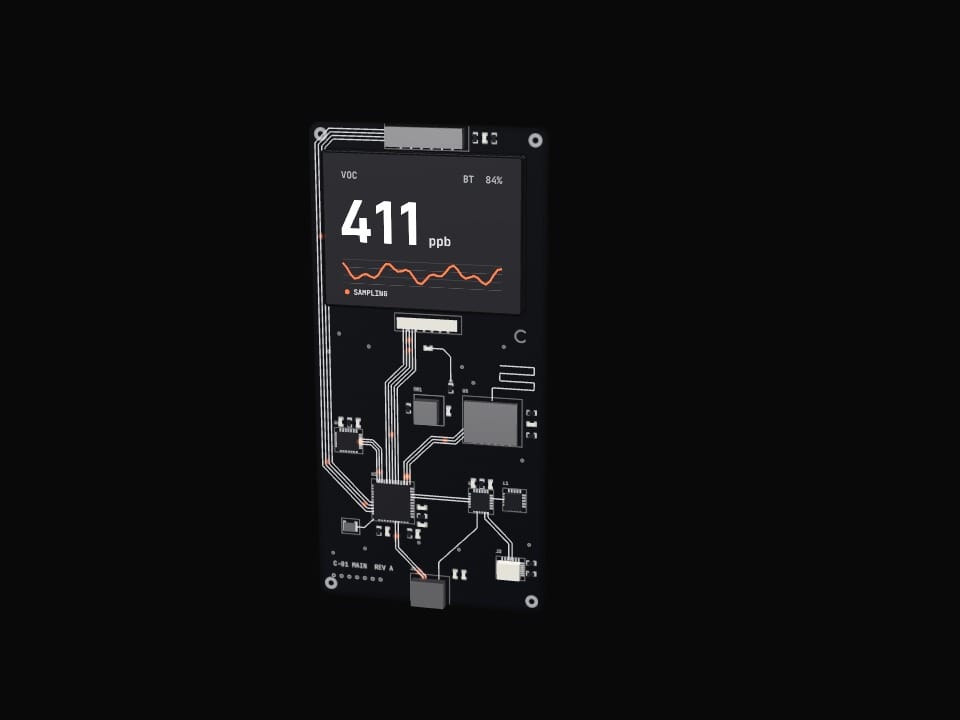
  5. The board running its firmware, with a live reading and a trend line on the screen.
    Fig. S5 · Illustration · Not a client product

    05 / Code

    Firmware brings it alive.

    Code reads the sensor, drives the display and decides what happens next. The cloud link and the operator screen come from the same team.

    Seen in · real project

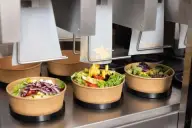
    Salad and bowl making robot

    Firmware in Python and C, ROS 2, cloud connection and APIs, web operator interface.

    Open the project →
    Need firmware or an operator screen? Start here →
    Seen in: Salad and bowl making robot →

  6. The mechanical, electrical and software layers of the instrument drawn as three strands around it.
    Fig. S6 · Illustration · Not a client product

    06 / Combination

    Designed together, not handed off.

    Mechanics, electronics and software are settled against each other in one team. That's the combination in our name.

    Seen in · real project

    Microfluidic breath analyzer

    Prototypes included the enclosure, all electronics, actuators, microfluidic sensor design and pneumatics.

    Open the project →
    Need the whole thing? Start here →

    Seen in: Microfluidic breath analyzer →

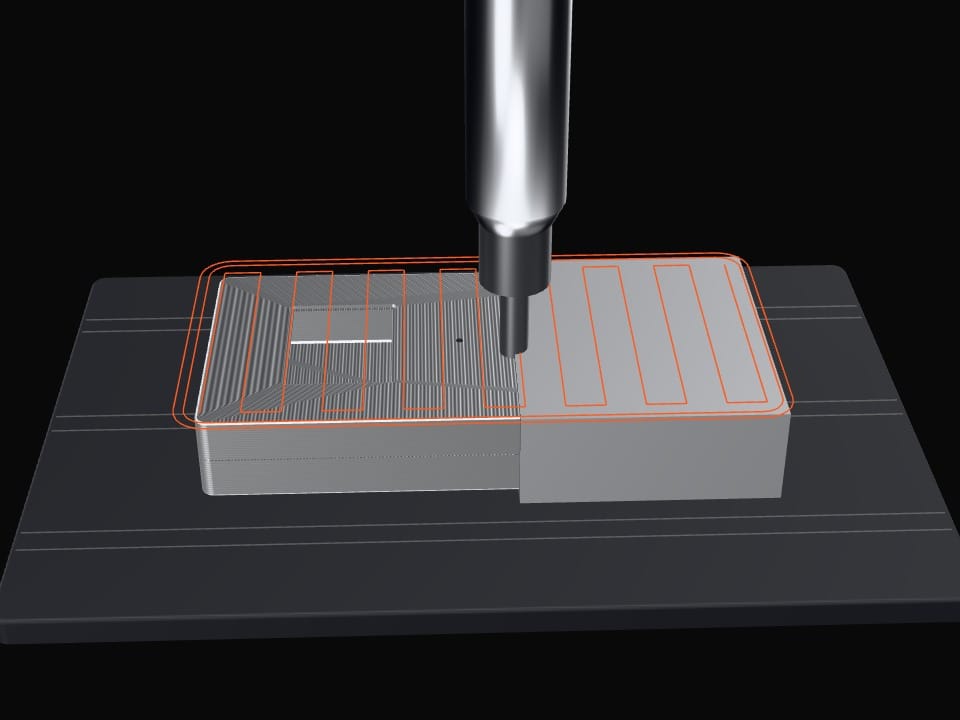
  7. A machining spindle cutting the enclosure out of a block, with the toolpath marked.
    Fig. S7 · Illustration · Not a client product

    07 / Make

    The first one gets made.

    When a prototype needs machined, cut, printed or measured parts, we make them with our partner Spark Laser in Richmond, BC.

    Partner

    Spark Laser, Richmond, BC

    DMG Mori DMU 75, full 5-axis · 840 × 500 mm · 0.01 mm

    Photo: Spark Laser How parts get made →
    Need parts made, or a test rig? Start here →
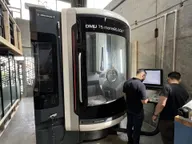
    Partner: Spark Laser, Richmond, BC →

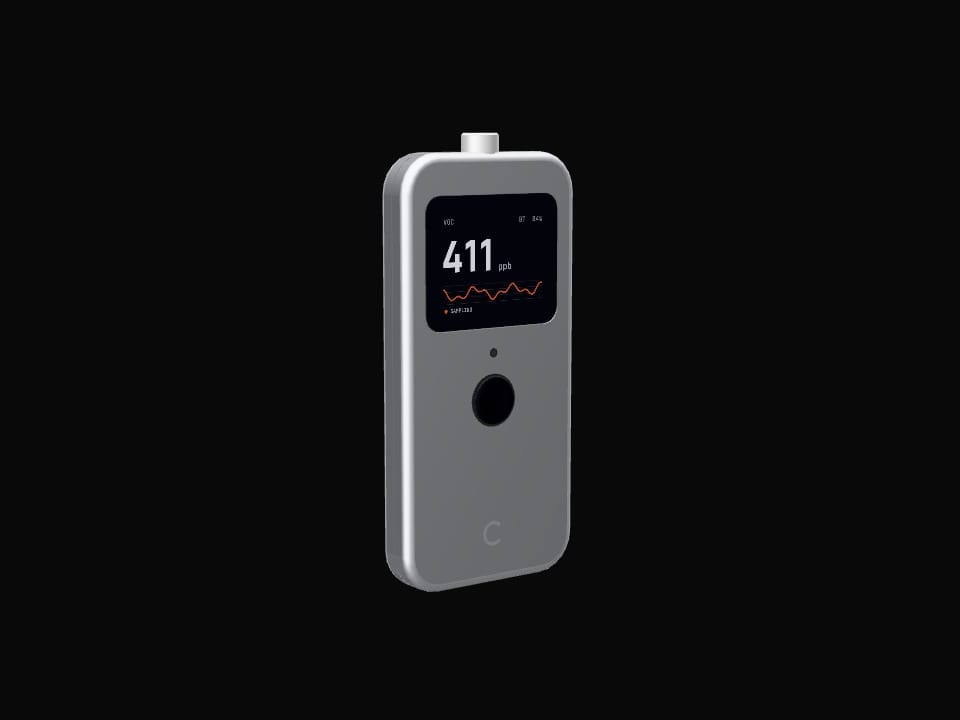
  8. A later prototype version of the instrument, smaller and cleaner than the first.
    Fig. S8 · Illustration · Not a client product

    08 / Iterate

    Each version teaches something.

    Version one proves the principle. Each one after it fixes what the last one got wrong.

    Seen in · real project

    Novel molecule detection device

    Hundreds of prototypes and experiments, over 1.5 years.

    Open the project →
    Have a prototype that doesn't work yet? Start here →
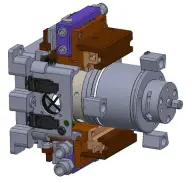
    Seen in: Molecule detection device →

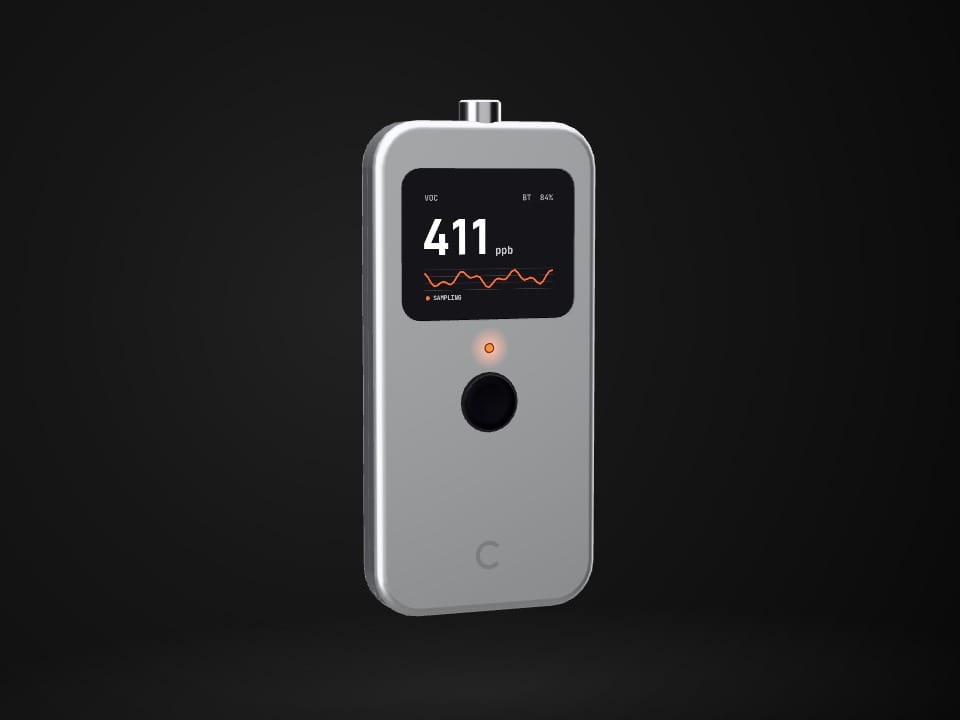
  9. The finished instrument in brushed metal, a live reading on its screen.
    Fig. S9 · Illustration · Not a client product

    09 / Product

    Then it works.

    Finished materials, a live screen, and a device that does the job it was sketched to do.

    Seen in · real project

    Industrial food dispensing machine

    Alpha prototype validated.

    Open the project →
    Need a working prototype to show? Start here →
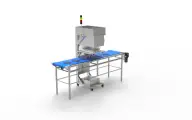
    Seen in: Food dispensing machine →

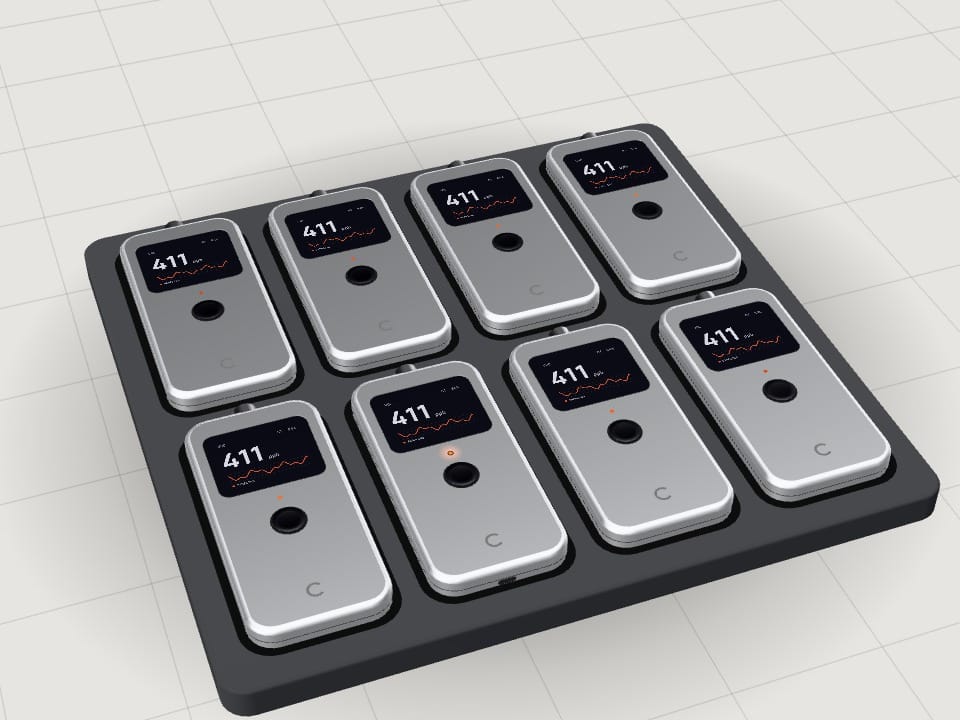
  10. A handful of first units of the instrument on a bench tray.
    Fig. S10 · Illustration · Not a client product

    10 / Pilot build

    First units. Then hand-off.

    We build pilot and low-volume runs for the field, then hand volume production to manufacturing partners.

    Seen in · real project

    Smartwatch for snowsports

    From inception to 20 beta units in the field.

    Open the project →
    Need the first units for a pilot? Start here →

    Seen in: Smartwatch for snowsports →

The illustration ends here. Everything below is real.

Where we stop

We build the first units.

With our partner Spark Laser, we also build the machines that make the rest.

We don't run volume production. That goes to manufacturing partners, or to your own plant.

FIG. 2 · Drawing The twelve projects on our site, plotted at the stage each one reached. Volume production is beyond the hand-off.

Work

Real projects. How far each one went.

The device in the story is an illustration. These are not. Each one says where it started and where it got to.

See all twelve projects →

See all twelve projects →

Services

Start with one piece, or the whole thing.

A single board, one mechanism or one firmware job is a normal way to start. So is a whole product, a machine or a part-time CTO.

  1. 01

    One piece

    One board, one mechanism or one firmware job, designed and tested.

    Proof: Main processing board · concept to production of 20 units

  2. 02

    A stuck problem

    We test the design that isn't working, find out why, and redesign what needs it.

    Proof: Femto current amplifier · more sensitivity, less noise, less EMI

  3. 03

    Fractional CTO

    Senior technical leadership, part-time and hands-on.

    Nine areas, on the Services page

  4. 04

    Research and proof of concept

    When it works in a paper or on the bench, and nobody has built it yet.

    Proof: Novel molecule detection device · hundreds of prototypes over 1.5 years

  5. 05

    A product, from scratch

    Feasibility, prototypes and the first units, from one team.

    Proof: Smartwatch for snowsports · 20 beta units in the field

  6. 06

    A machine or test rig, with Spark Laser

    We engineer the equipment; our partner Spark Laser machines, builds and measures it in Richmond, BC.

    Proof: Salad and bowl making robot · concept to field testing in operation

Software

Software is part of the build.

Firmware, operator screens, cloud connections and data, written by the team that designs the hardware. Here is one machine, drawn from its published scope.

This site is software too. The story above is drawn in code, in your browser, on the same laptop it was tested on.

SOFTWARE

  • Web based operator user interface
  • Machine learning ready data collection
  • Cloud connection and APIs
  • ROS 2 middleware
  • Firmware in Python and C
  • Remote diagnostics and updates
  • Containerized software stack

ELECTRICAL

  • Power panel electronics

MECHANICAL

  • Dispensing module (core technology)
  • Bowl denester
  • Magnetic conveying system
  • Bowl elevator
  • Refrigeration
  • Designed for food safety and easy cleaning
  • Modular hardware
FIG. 3.4 · Diagram Salad and bowl making robot: the subsystems named in the project scope, grouped by discipline. Connections not shown. Open the project →

Making

Design. Make. Measure. Change.

We design in Vancouver, BC. When a prototype needs real parts, we make and measure them with our partner Spark Laser in Richmond, BC, then change the design and go again.

  1. 01 Design Vancouver, BC
  2. 02 Make Richmond, BC
  3. 03 Measure
  4. 04 Change

How parts get made →

A five-axis machining centre in a workshop, with two machinists at its control panel.
FIG. 3 · Photo DMG Mori DMU 75 full 5-axis machining centre at Spark Laser, Richmond, BC. Photo: Spark Laser

Team

The team.

Electronics, mechanical design, simulation, embedded firmware, software and IP strategy, in Vancouver, BC.

Meet the team →

  • Portrait of Darius Sahebjavaher.

    Darius Sahebjavaher

    Electronics, mechanical, firmware, strategy

  • Portrait of Ramin Sahebjavaher.

    Ramin Sahebjavaher

    AI, cloud and software systems

  • Portrait of Amir Khanlou.

    Amir Khanlou

    Simulation: CFD, FEA, thermofluids

  • Portrait of Nadeem Jamal.

    Nadeem Jamal

    Embedded systems, IoT, firmware

  • Portrait of Mike Coyle.

    Mike Coyle

    Product design, design for manufacture

  • Portrait of Shahram Pourazadi.

    Shahram Pourazadi

    IP strategy, with partner Twelvivo

Contact

Book a free advisory call today and get unstuck.

Free. 30 minutes. Bring the sketch, the paper or the prototype.

HardTech is hard. We make it work.